The Bedding Setup That Actually Helps With Night Sweats and Hot Flashes
Quick Answer: Moisture-wicking, breathable fabrics like TENCEL, bamboo lyocell, or percale cotton in a layered bedding system (rather than one heavy duvet) give you the most control over overnight temperature swings from hot flashes or night sweats.
If you’re waking up drenched and kicking off blankets multiple times a night, the bedding itself is often working against you rather than helping.

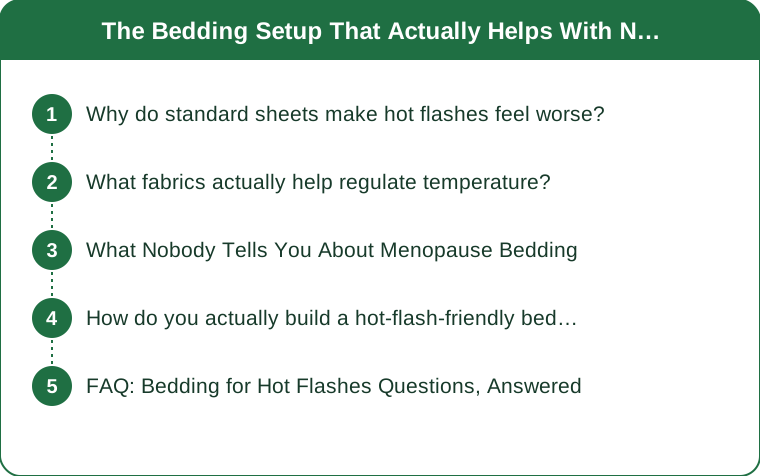
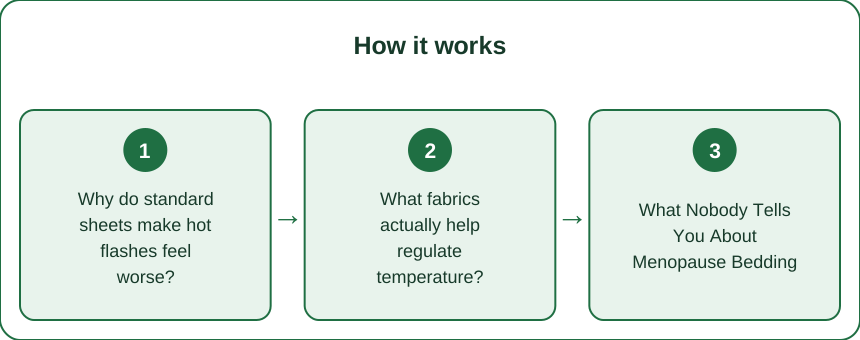
Why do standard sheets make hot flashes feel worse?
Many popular sheet materials (sateen weaves, high thread-count cotton blends, and especially microfiber/polyester) trap heat and moisture against the skin rather than pulling it away, which intensifies the discomfort of a hot flash instead of helping it pass.
The weave and fiber matter more than thread count here — a lower thread-count percale weave often breathes better than a high thread-count sateen despite sounding ‘less premium.‘
What fabrics actually help regulate temperature?
TENCEL lyocell and bamboo-derived fabrics have genuinely strong moisture-wicking properties, pulling sweat away from skin and allowing faster evaporation than cotton alone.
Percale-weave cotton (a crisp, breathable weave rather than the silkier sateen weave) is a widely available, budget-friendly option that performs meaningfully better for heat regulation than most standard cotton sheet sets.

What Nobody Tells You About Menopause Bedding
Layering beats one heavy blanket — a lighter duvet or blanket system you can adjust piece by piece through the night lets you respond to a hot flash without fully waking your partner or completely destabilizing your sleep setup.
Also underrated: your mattress and pillow matter as much as your sheets — memory foam retains heat significantly more than a hybrid or innerspring mattress, and a cooling gel or buckwheat pillow can matter more than sheet choice for some people specifically because of head and neck heat retention.
How do you actually build a hot-flash-friendly bedding setup?
Start with a breathable base sheet (TENCEL, bamboo, or percale cotton), skip heavy flannel or microfiber entirely, and layer a lightweight blanket plus a slightly heavier one you can remove individually rather than one thick duvet.
Consider a cooling mattress pad or topper if your mattress is memory foam, since that single change often has a bigger impact than sheets alone for people whose main issue is mattress heat retention rather than sheet fabric.
FAQ: Bedding for Hot Flashes Questions, Answered
Is bamboo or TENCEL better for night sweats?
Both perform similarly well for moisture-wicking; TENCEL lyocell often has a slight edge in independent breathability testing, but either is a major upgrade over standard cotton-polyester blends.
Does thread count matter for temperature regulation?
Less than the weave and fiber type — a lower thread-count percale weave in a moisture-wicking fiber typically outperforms a high thread-count sateen weave for heat regulation.
Should I replace my mattress if I have memory foam and night sweats?
A cooling mattress topper is a more affordable first step before replacing the whole mattress, and it addresses the heat-retention issue directly for many people.
TL;DR:
- Moisture-wicking fabrics (TENCEL, bamboo, percale cotton) outperform standard sheets for hot flashes
- Weave and fiber type matter more for cooling than thread count
- Layered, removable bedding beats one heavy duvet for responding to night sweats
- Memory foam mattresses retain more heat — a cooling topper can help significantly
The right fabric and layering system can meaningfully reduce how disruptive night sweats feel.
Keep Reading
This article is for general informational and styling purposes only. Fit, sizing, and product availability may vary.