Duvet Tog Explained: Why Your Bedding Is Wrong for the Season (Even If It's Expensive)
Quick Answer: Tog measures a duvet’s warmth (thermal insulation), not quality — a 4.5 tog is summer-weight, 10.5-13.5 tog is winter-weight, and most bedrooms need two duvets to cover the full year, not one expensive all-season compromise.
You bought the nicest duvet in the store and you’re still sweating in July or freezing in January. The price tag never told you the one number that actually matters for comfort: the tog rating, and odds are it’s mismatched to the season you’re in right now.

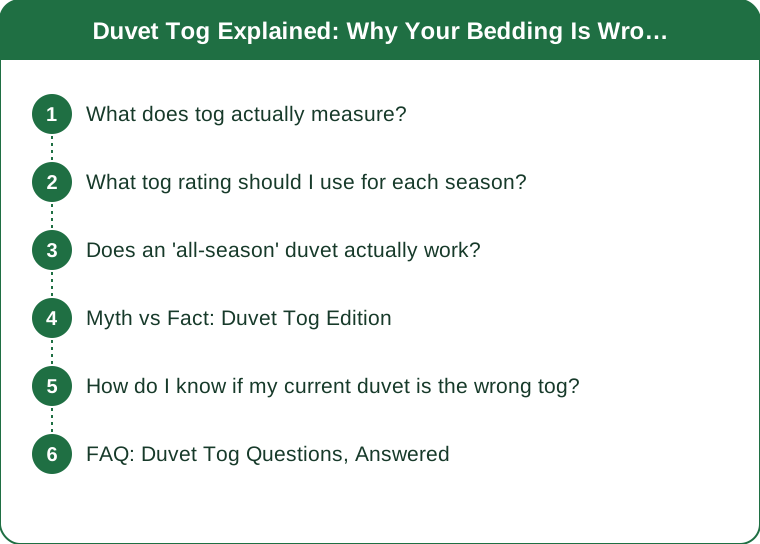
What does tog actually measure?
Tog is a thermal resistance rating — higher tog means more heat retained, nothing to do with softness, thread count, or fabric quality. A 500-thread-count duvet at 13.5 tog will still overheat you in summer regardless of how luxurious the cotton is.
Think of it like a jacket’s insulation rating: a beautifully made winter coat is still the wrong choice for a heatwave.
What tog rating should I use for each season?
Summer (4.5-7.5 tog): light, breathable, ideal above 70°F room temps. Spring/Fall (9-10.5 tog): the year-round middle ground for most bedrooms. Winter (12-15 tog): heavier fill for rooms consistently under 65°F.
Most bedding experts recommend owning two duvets — a light one and a heavy one — swapped seasonally, rather than one ‘all seasons’ compromise that’s mediocre in both extremes.
Does an ‘all-season’ duvet actually work?
Some all-season sets bundle a light and heavy duvet with poppers to combine them for winter — that’s genuinely useful. A single fixed-tog duvet marketed as ‘all season’ at a middling 10-10.5 tog is a compromise that underperforms a true summer duvet in July and a true winter duvet in January.

Myth vs Fact: Duvet Tog Edition
Myth: Higher thread count means warmer. Fact: thread count affects fabric feel and durability, not warmth — tog is the only warmth number that matters.
Myth: Down is always warmer than synthetic fill at the same tog. Fact: tog already accounts for insulation performance regardless of fill type — a 10.5 tog down and 10.5 tog synthetic duvet perform comparably for warmth.
Myth: One ‘medium’ tog duvet is fine year-round. Fact: it’s the reason so many people wake up sweating or shivering — the third mistake almost every bedding buyer makes at least once.
How do I know if my current duvet is the wrong tog?
If you’re regularly kicking off the covers or reaching for a blanket on top, your tog is mismatched to your room’s actual temperature — not a sign you need to ‘get used to it.’ Bedroom temperature, not the calendar month, is the real variable to match tog against.
FAQ: Duvet Tog Questions, Answered
Does room temperature matter more than the season?
Yes — a poorly insulated room in October can run colder than a well-insulated room in January. Match tog to your actual thermostat reading, not the date.
Can I layer a lower-tog duvet with a blanket instead of buying a heavier one?
Yes, this works well and is often cheaper than buying a dedicated winter duvet, especially if winters in your climate are mild.
Do kids and adults need different tog ratings?
Generally kids run warmer and can use a slightly lower tog than adults in the same room — check manufacturer guidance for children’s bedding specifically.
TL;DR:
- Tog measures warmth, completely separate from thread count or fabric quality
- Summer needs 4.5-7.5 tog, winter needs 12-15 tog, most homes need both
- ‘All-season’ single-tog duvets are a compromise, not a genuine solution
- Match tog to your room’s actual temperature, not the calendar
Check the tog tag on your current duvet tonight — if it’s a single medium rating and you’re uncomfortable most nights, that mismatch is very likely your actual problem, not your mattress or pillow.
Keep Reading
This article is for general informational and styling purposes only. Fit, sizing, and product availability may vary.