The Pillow Decoder: Matching Fill and Height to How You Actually Sleep
Pillows get bought by squeeze test and price tag, then blamed for years of stiff necks. The actual variable is geometry: your sleep position sets the height your neck needs, and the fill just delivers it. The decoder — position first, fill second, replacement finally.

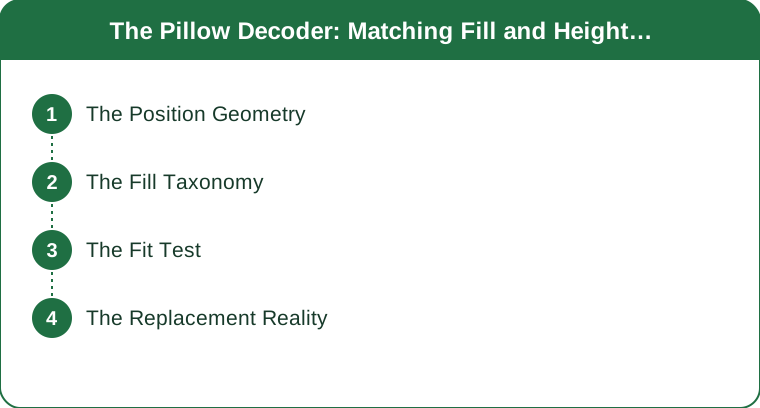
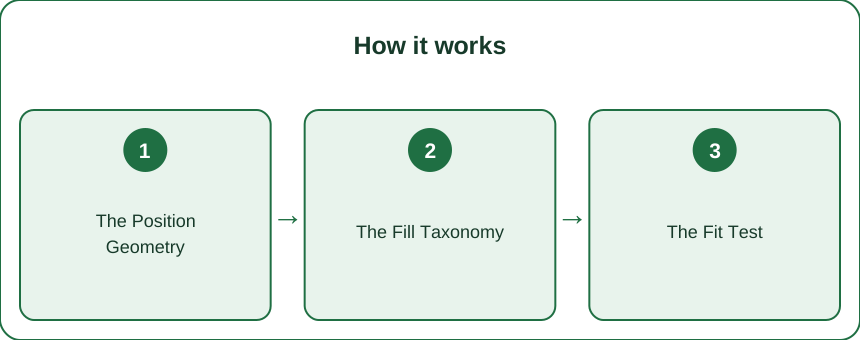
The Position Geometry
The height math: side sleepers need the tallest pillow (the shoulder creates a gap — the pillow fills shoulder-width so the neck stays level; the majority position with the most under-filled pillows), back sleepers need medium-low (supporting the neck’s curve without pushing the head forward — the chin-to-chest tilt is the too-tall tell), stomach sleepers need thin-to-none (any height cranks the neck — the position itself is the neck’s least favorite; a body pillow assist toward side-sleeping is the gentle migration), and combination sleepers need adaptability (adjustable-fill or medium with squish — the fill you can reshape mid-night).
The Fill Taxonomy
The materials decoded: memory foam (contouring and consistent — the side-sleeper solid choice; sleeps warmer, the ventilated versions help), latex (springy, durable, cooler than memory foam — the premium all-rounder), down and down-alternative (the squishable classics — moldable but height-collapsing; best for back and stomach), shredded-fill adjustables (the hack-your-height option — unzip and remove fill until the geometry is right; the decoder’s favorite because it makes height a setting, not a purchase), and the specialty tier (cervical contours and body pillows for specific briefs).

The Fit Test
The home audit: lie in your real position and have someone photograph your neck (the spine should run STRAIGHT through the neck — tilted up means too tall, sagging means too flat; the fitting-room photo principle horizontal), the morning report (waking with neck stiffness that eases by noon points at the pillow; pain that doesn’t is a different conversation), and the hotel clue (sleeping better away from home is bedding data — note what the good night’s pillow was doing differently).
The Replacement Reality
The schedule nobody follows: pillows expire (1-2 years for down and cheap fills, 2-3 for quality foam and latex — the fold test: a folded pillow that stays folded is done), the hygiene subtext (years of night sweat and skin cells — the dust-mite headquarters conversation applies at pillow scale; encasements and hot washes extend, replacement resolves), the protect-the-investment habits (pillow protectors under the cases, the regular fluff-and-air), and the budget frame (the pillow touches your head a third of your life — the cost-per-night math makes even the premium tier cheap). Geometry first, fill second, calendar honest: the neck was never the problem.
Side sleeps tall, back sleeps medium, adjustable fill wins, two years max. The pillow was always a geometry problem — measure the gap, fill the gap, sleep straight.
Keep Reading
This article is for general informational and styling purposes only. Fit, sizing, and product availability may vary.