Is a Silk Pillowcase Actually Worth It? What Changes and What Doesn't
Quick Answer: A silk pillowcase’s real, consistent benefit is reduced friction — less hair breakage and fewer sleep-crease lines on skin — because the smooth surface lets hair and skin glide instead of catching. It won’t cure acne or reverse wrinkles, but for the friction-related complaints it’s a genuine, low-effort upgrade.
The silk pillowcase claims online range from reasonable to wild. Somewhere between “marketing exaggeration” and “actually does something” is where the real answer lives, and it depends on which specific problem you’re trying to solve.
What does a silk pillowcase actually change?
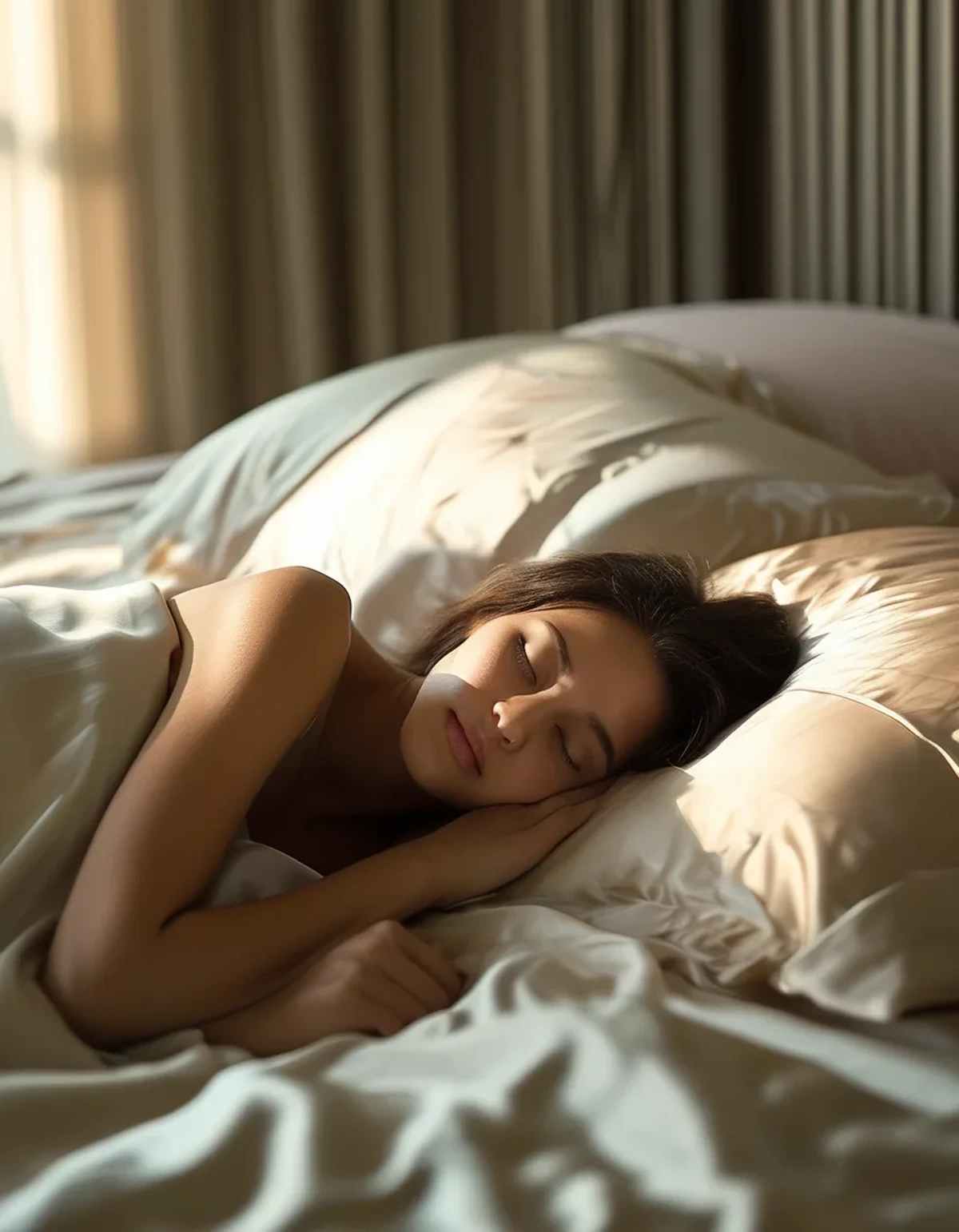
The core mechanism is friction, not magic fabric properties. Cotton fibers are more textured at a microscopic level and grip against hair and skin as you move through the night. Silk’s smoother filament surface lets both glide instead of catching.
Less friction means less mechanical stress on hair cuticles overnight — which shows up as fewer tangles and somewhat less breakage over time, especially for longer or more fragile hair. It also means less tugging and creasing on facial skin, which is where the “sleep wrinkle” claims come from.
Does it actually help with acne or skin texture?
Indirectly, and modestly. A silk pillowcase absorbs less of your skin’s oils and skincare product than cotton does, which means slightly less product is pulled off your face overnight — but it’s not antibacterial or a substitute for actually washing your pillowcase regularly.
If your case for switching is clearer skin, the more reliable lever is washing whatever pillowcase you use more often (every 2-3 days if you’re breakout-prone), not the fabric itself. Silk is a modest assist, not the fix.
What Nobody Tells You About Silk Pillowcases
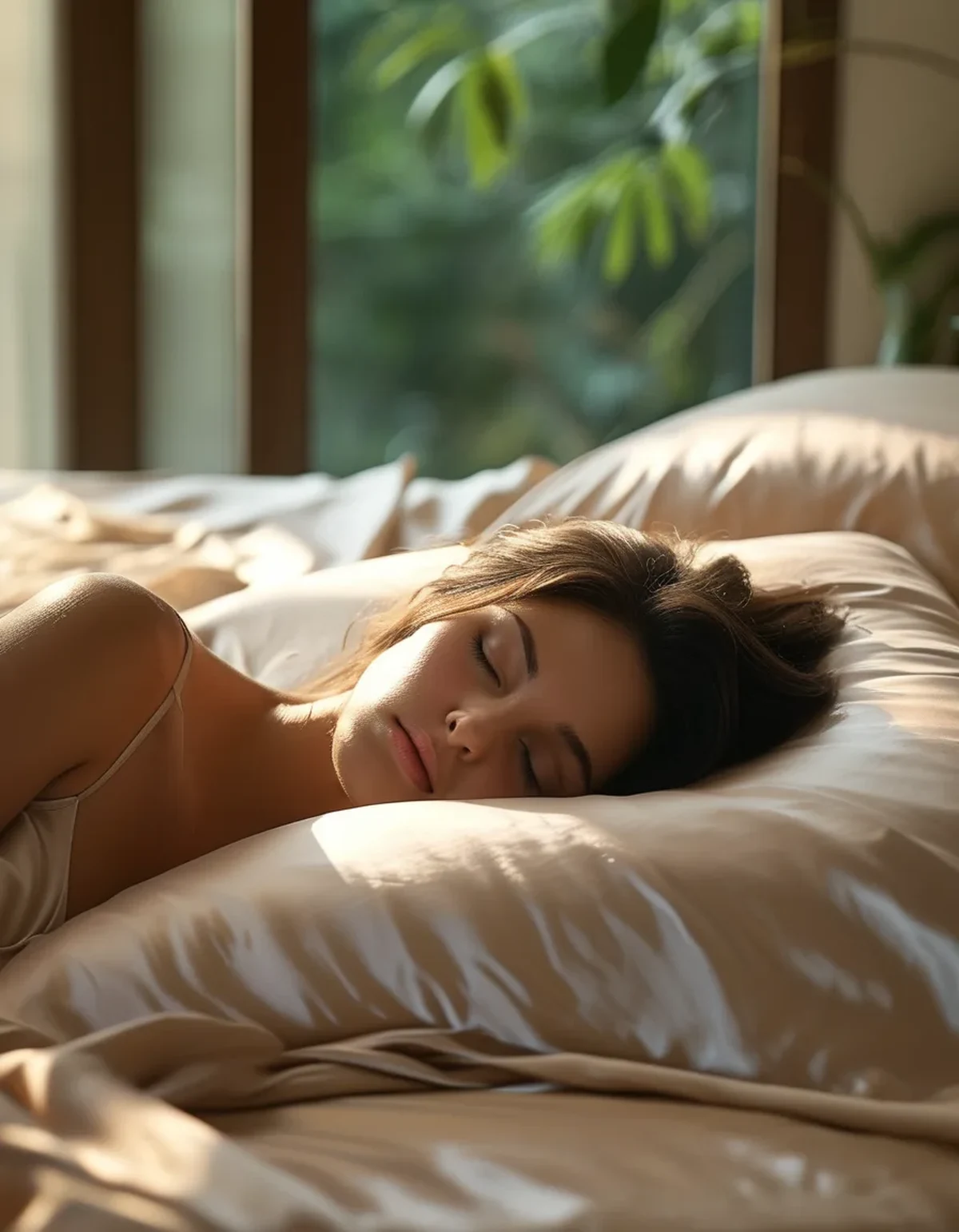
Here’s the part reviews skip: silk pillowcases are genuinely more slippery to sleep on, and some people find they slide around, bunch up, or actually disrupt sleep quality for the first week or two of adjustment.
They also need gentler washing — most require hand washing or a delicate cycle in a mesh bag, and machine drying will damage them. If low-maintenance bedding matters to you, that’s a real tradeoff against the smoother-hair benefit, not a minor footnote.
And not all “silk” pillowcases are equal — momme weight (a density measure) below 19 tends to feel and perform noticeably thinner and less durable than 22+ momme silk.
Is there a lower-cost alternative that does something similar?
Satin pillowcases (usually polyester) offer a similar smooth-surface friction reduction at a fraction of the price and with easier care — machine washable, no special handling.
The tradeoff is breathability: silk is a natural fiber that regulates temperature better, while satin can feel warmer and less breathable, particularly for hot sleepers. For the specific goal of reducing hair and skin friction, satin gets you most of the benefit; for temperature regulation and longevity, silk still wins.
FAQ: Silk Pillowcase Questions, Answered
What momme weight silk pillowcase should I buy?
Look for at least 19 momme, with 22-25 momme considered a solid mid-to-high range that balances durability, drape, and price reasonably well.
How often should I wash a silk pillowcase?
Weekly is a reasonable baseline for most people, more often if you’re prone to breakouts or use heavy overnight skincare products that transfer onto the fabric.
Will a silk pillowcase fix frizzy hair?
It reduces overnight friction-caused frizz and tangling, but it won’t change your hair’s natural texture or fix frizz caused by product, humidity, or how it was styled before bed.
TL;DR:
- Silk’s real benefit is friction reduction — less hair breakage, fewer sleep-crease lines
- Skin benefits are modest and indirect; washing your pillowcase often matters more
- Silk needs gentle hand-washing; satin is a cheaper, lower-maintenance alternative with similar friction benefits
- Look for 19+ momme weight for a version that actually holds up
It’s a real, incremental upgrade for friction-related complaints — just go in without expecting it to solve problems it was never going to touch.
Keep Reading
This article is for general informational and styling purposes only. Fit, sizing, and product availability may vary.